Lei Types and Lei Etiquette
Flowers, leaves, seeds and shells, and the customs for giving, wearing and parting with a lei.
Get Free Hawaii Trip QuotesTypes of Lei
A lei is a garland given as a sign of affection, welcome, farewell, honor or thanks. Lei are made from almost anything that grows or washes up in the islands: flowers, leaves, ferns, seeds, nuts, shells and, in the time of the aliʻi, feathers. Knowing the main kinds helps you choose one and wear it correctly.
| Lei | Made from | Often given for |
|---|---|---|
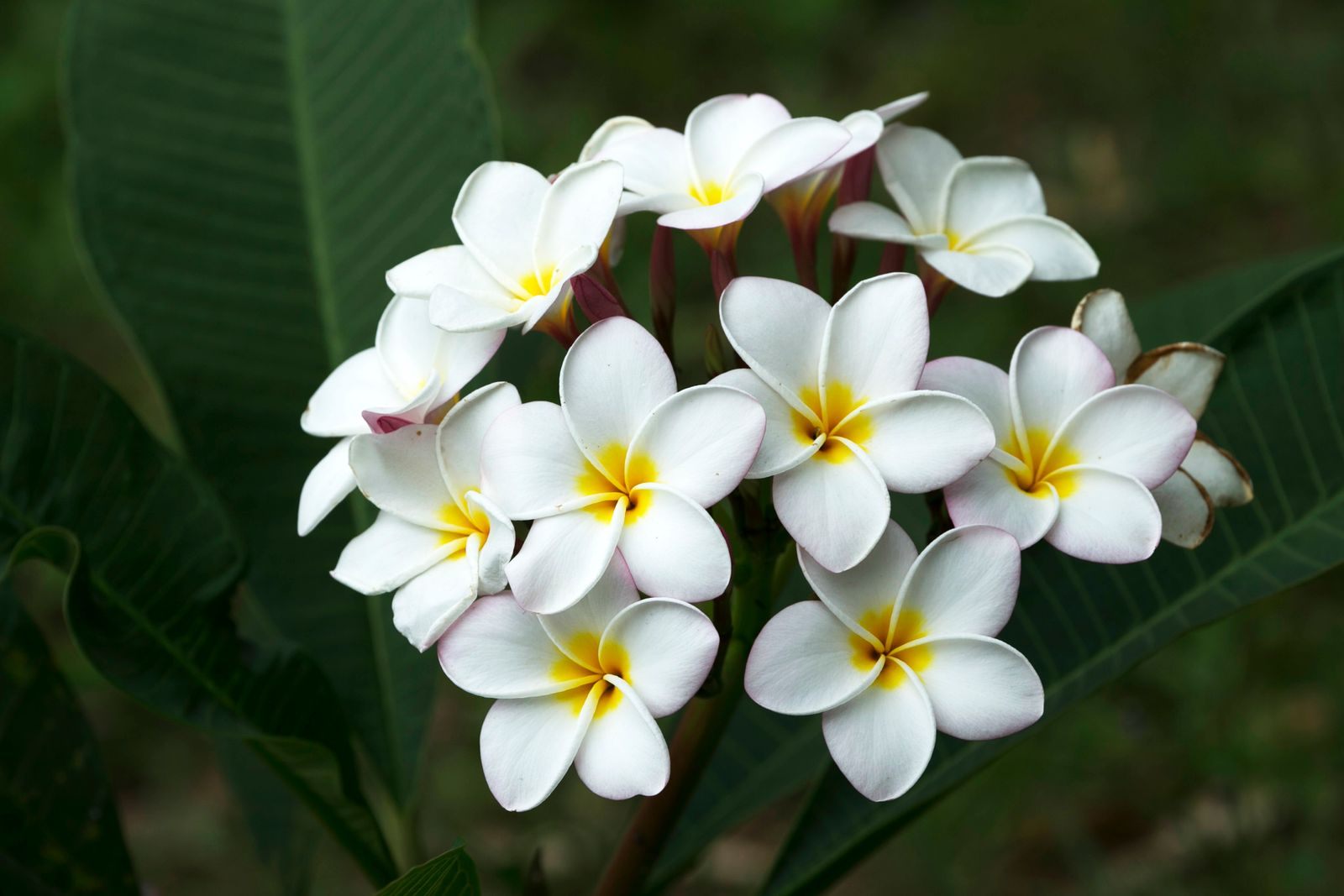
| Orchid or plumeria | Fresh flowers, strung end to end | Airport greetings, everyday celebrations |
| Pīkake | Small, very fragrant jasmine buds | Weddings, romantic occasions |
| Maile | Twisted, fragrant vine, worn open-ended | Grooms, graduates, dedications |
| Ti leaf | Leaves twisted or braided | Protection and good luck; men’s lei |
| Kukui nut | Polished candlenut seeds | Lasting keepsakes, men’s lei |
| Haku | Flowers and ferns braided on a backing | Worn as a head lei at weddings and hula |
| Niʻihau shell | Tiny shells from Niʻihau and Kauaʻi | Heirlooms; valued as fine jewelry |
Lei makers use several techniques: kui (stringing), wili (winding onto a backing), haku (braiding) and hili (plaiting a single material). Feather lei, once worn by chiefs, are still made today and treasured as heirlooms.
Lei Etiquette: Giving and Wearing
- Giving: place the lei over the person’s head so it rests on the shoulders, half in front and half behind, usually with a hug or a kiss on the cheek.
- Receiving: accept with thanks and wear it at least while you are with the giver.
- Wearing: drape it evenly over the shoulders, not tight around the neck like a necklace.
- Open lei: maile and some others are worn open, hanging down the front.
- Expectant mothers: give an open lei by tradition.
- Re-gifting: giving away a lei someone gave you, in front of them, is considered bad form.

After the Celebration
A fresh flower lei lasts a day or two. Keep it in the refrigerator wrapped in a damp paper towel inside a plastic bag (not the freezer) to make it last longer. When it fades, return it to the land rather than the trash, after removing string or ribbon.
Taking a lei home
Plants and cut flowers leaving Hawaii for the mainland must pass an agriculture inspection at the airport, and lei are included. Many lei can travel, but a few materials are not allowed, among them jade vine and Mauna Loa. Read the Hawaii Department of Agriculture guidance for travelers leaving the islands before you fly, and declare your lei at the inspection point.
Frequently Asked Questions
Is it rude to refuse a lei?
It is considered impolite to refuse a lei or to take it off in front of the person who gave it. If you are allergic, accept it graciously and explain; the giver will understand and may drape it over your arm.
Why is a closed lei not given to a pregnant woman?
Many families in Hawaii give expectant mothers an open-ended lei, such as maile, out of a traditional belief that a closed lei could symbolize the cord wrapping around the baby. Not everyone follows it, but an open lei is the safe choice.
What should I do with my lei when it fades?
Do not throw it in the trash. Return it to the land: remove any string or ribbon, then bury the flowers, scatter them in a garden or hang it on a tree. Many people also dry special lei as keepsakes.
Plan a Celebration in Hawaii
Weddings, vow renewals, graduations and family milestones: our travel specialists can plan the trip. Free quotes.
Get a Free Hawaii Quote